
Sell my house fast in North Jersey
Selling a home in North Jersey is unlike selling anywhere else. It’s a complex, high-stakes process defined by diverse micro-markets, unique legal hurdles (hello, attorney review), and savvy buyers with high expectations. Read the full post
Jardel Nogueira
11/9/20257 min read
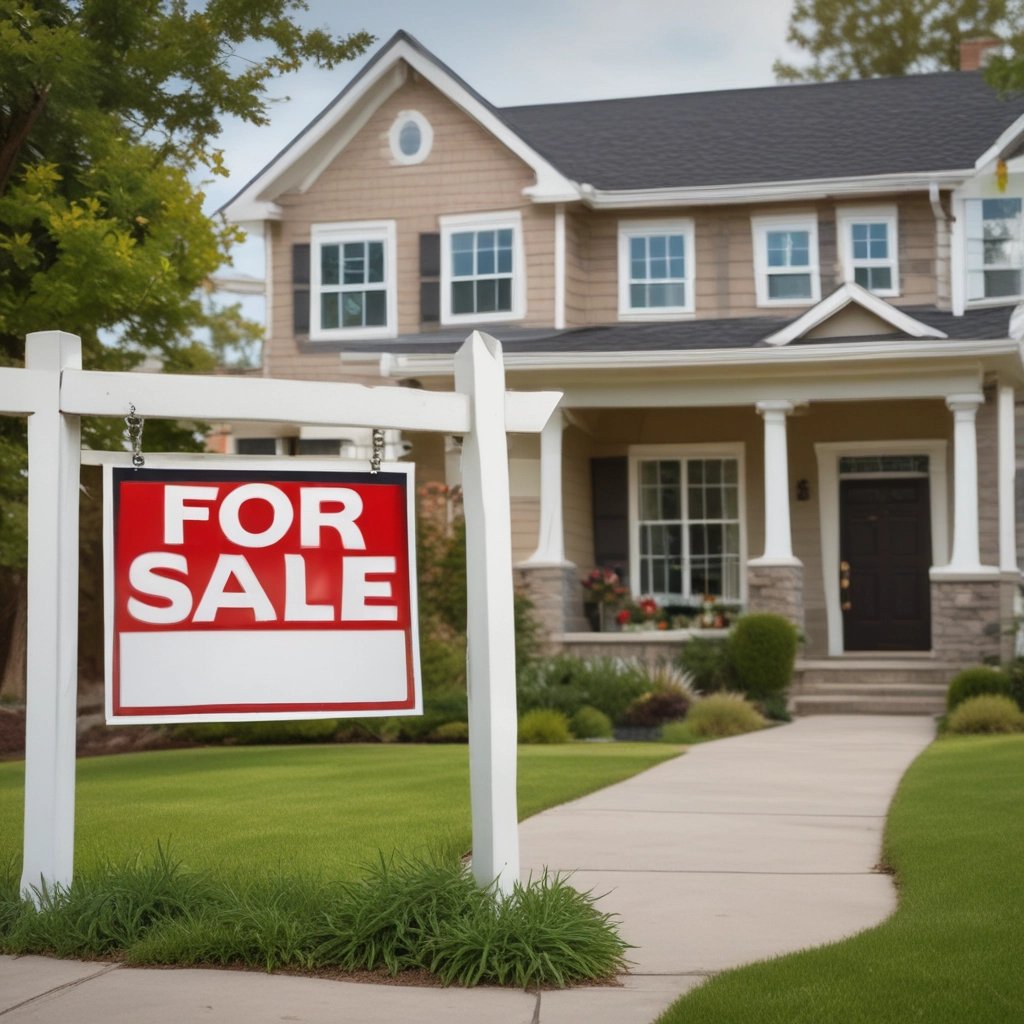
How to sell my home in North Jersey
Selling a home in North Jersey is unlike selling anywhere else. It’s a complex, high-stakes process defined by diverse micro-markets, unique legal hurdles (hello, attorney review), and savvy buyers with high expectations. Whether you're selling a classic colonial in Bergen County, a split-level in Morris, a grand Victorian in Montclair, or a luxury condo in Hoboken, success demands a specific, localized strategy.
Understanding the North Jersey Market
Before you do anything, you must understand the battlefield. The frantic, "offer-50%-over-ask-waive-all-inspections" market of 2022 is gone. The North Jersey market is best described as a "transitioning seller's market," or more accurately, a "market of preparedness."
Here’s the breakdown:
Prices are High, but Buyers are Picky: Prices remain at or near historic highs, but the rapid acceleration has cooled. Buyers are no longer desperate; they are discerning. They are paying top dollar, but they expect a top-dollar product. A home with a dated kitchen or a failing roof will not get the same attention it would have three years ago.
Inventory is Still Low, but Rising: We still have a supply problem, which is keeping prices strong. However, inventory is slowly ticking up. This means you are no longer the only beautiful house on the block. You have competition, and you must win on price, presentation, and preparedness.
"Days on Market" is Normalizing: Homes are no longer selling in a single weekend. While well-priced, turnkey homes still move fast (17-20 days in some areas), the average "days on market" is returning to a more normal 30-60 days. This is not a bad thing; it’s a healthy market.
Prepare, Price and Perfect
In this market, preparation isn't optional. It's where you make or lose tens of thousands of dollars.
1. Prepare for Battle: Staging for the North Jersey Buyer
Staging is not about hiding flaws; it's about showcasing possibilities. You must help a buyer mentally move in.
General Rules for All Homes:
Declutter Like a Monk: This is non-negotiable. Rent a storage unit. Get 50% of your "stuff" out of the house. This includes closets. Buyers will open your closets. A half-full closet looks spacious; a jammed one looks like a storage nightmare.
Neutralize Everything: That "Tuscan" yellow kitchen or "finding-Nemo" blue kid's room has to go. Your new best friends are colors like Benjamin Moore's "Revere Pewter," "Gray Owl," or "White Dove." A unified, neutral palette makes a home feel larger, cleaner, and more serene.
Let There Be Light: This is the #1 cheapest "renovation." Clean every window. Remove heavy drapes. Replace every "warm" yellow bulb with a "bright white" or "soft white" (3000K-3500K) LED. Update dated light fixtures ("boob" lights).
Specific Staging Plans for North Jersey Homes:
If you have a Split-Level (Common in Bergen/Morris):
Your biggest challenge is that they can feel choppy, dark, and dated. Your goal is to create flow and openness.
Unify the Levels: Paint the entryway, main living level, and upper hallway the exact same neutral color. This will visually connect the disjointed spaces.
Fix the Entry: The cramped split-level entry is a notorious bottleneck. Make it feel open: a large mirror, a sleek new light fixture, and a minimalist bench. If you have a dated wrought-iron railing, replacing it with a simple wood or modern-style railing is a high-ROI update.
Open the "Box": If you have the budget, the single best investment is opening the wall between the kitchen and the dining/living room. This transforms the "1970s box" into the 2025 open-concept layout buyers demand.
If you have a Small Condo (Jersey City/Hoboken):
Your challenge is space. Your goal is to create a feeling of luxury, light, and possibility.
Go Big on Mirrors: A large, well-placed mirror can visually double the size of a living room or small bedroom.
Define the "Office": The post-pandemic buyer needs a WFH space. Do not leave this to their imagination. Stage that awkward corner with a sleek, small desk, a decent chair, and a plant. You've just added a "home office" to your listing.
Use "Apartment Scale" Furniture: Your oversized sectional will make the room look tiny. Rent or borrow smaller, leggy furniture (couches and chairs with visible legs) to create a sense of airiness.
Sell the Lifestyle: Is there a great view? Make sure the blinds are open and furniture is pointed toward it. Is the commute amazing? Frame a stylish map of the PATH or ferry route.
2. Price it to Win (Not to "Test the Market")
This is the single most important decision you will make. Overpricing is the kiss of death in the 2025 market.
The "Test It High" Fallacy: "We can always come down later!" This is a fatal mistake. Your home gets the most attention from serious buyers and their agents in the first 14 days. If you're priced 10% too high, you will be "red-flagged" as unrealistic. By the time you do a price drop 30 days later, your listing is stale.
The "Bidding War" Strategy: The best strategy in a balanced market is to price your home at or just slightly below its true market value. This makes you the "hot, new, well-priced" property. It drives immediate traffic, creates a sense of urgency, and is your best chance at generating a multiple-offer scenario, which is how you exceed your target price.
3. Perfect the Paperwork: Your Non-Negotiable NJ Checklist
This is the "insider" step that separates rookie sellers from pros. Do not wait until you have an offer. Do this now.
Action Item: The Certificate of Compliance (a.k.a. "The Smoke Detector Inspection")
Before you can close, your local municipality must inspect your home and issue a "Certificate of Smoke Alarm, Carbon Monoxide Alarm, and Portable Fire Extinguisher Compliance." This is a pass/fail test. Failing this two days before closing can delay your entire sale.
Here is your checklist. Go buy these items today.
Smoke Detectors:
How many? One on every level (including the basement) AND one within 10 feet of every sleeping area.
What kind? This is critical. NJ law requires 10-year sealed battery-powered alarms. If your home was built with hardwired smoke detectors, you cannot replace them with battery-only ones. They must be working, hardwired models.
Carbon Monoxide (CO) Alarms:
How many? One on every level of the home.
Fire Extinguisher:
What kind? Must be a 2A:10BC type.
Where? Must be mounted on a wall within 10 feet of the kitchen. It must be visible and accessible (not in a cabinet or pantry).
Some towns (like Berlin) also require a "Certificate of Continued Occupancy (CCO)," which is a broader inspection of handrails, gutters, walkways, etc. Your agent will know your town's specific rules.
Part 3: The Process: New Jersey's 3-Step Legal Gauntlet
Selling in NJ is a team sport. You need a top local agent and a real estate attorney. The process is unique and unforgiving.
Step 1: The Offer and the 3-Day Attorney Review
You Get an Offer: Your agent presents you with an offer. You negotiate price and terms (e.g., closing date, inspection contingencies). You and the buyer sign the sales contract.
The Clock Starts: The moment the fully signed contract is delivered to both parties, the 3-Day Attorney Review period begins. This is a 3-business-day window (weekends and holidays don't count) unique to New Jersey.
What It Is: During this time, your attorney and the buyer's attorney review the contract. Either side can cancel the sale for any reason—or no reason at all—without penalty.
What Happens: Your attorney will "disapprove" the contract (this is standard procedure, don't panic) and send a "rider" or "addendum" with changes. This rider will include more favorable, protective language for you. The buyer's attorney does the same. They negotiate these finer points.
The "Binding" Contract: Once both attorneys agree on all changes, the attorney review is "concluded." Your contract is now fully binding. Your home is officially "Under Contract."
Step 2: Disclosure, Inspections, and Negotiation 2.0
Now, the buyer's "due diligence" period begins.
Seller's Disclosure: You will fill out the Seller's Property Condition Disclosure Statement. This is a long-form document covering everything you know about your home (roof age, leaks, pests, structural issues, etc.).
Honesty is Mandatory: You must disclose all known material defects. Lying or hiding a known issue (like a basement that floods) can lead to a lawsuit after the sale.
"As Is" Is Not a Shield: Selling "as is" does not relieve you of the duty to disclose known defects.
NEW: Flood Risk Addendum: All sellers must now complete a mandatory Flood Risk Addendum, disclosing any known flood history and whether the property is in a FEMA flood zone.
The Home Inspection: The buyer will hire a licensed inspector to go through your home with a fine-tooth comb. They will test everything. The inspector will produce a 50-page report with a long list of defects, big and small.
Negotiation 2.0: You will not be asked to fix everything. The negotiation is for major, non-cosmetic issues:
Structural: Foundation, roof, etc.
Safety: Electrical hazards, radon, mold.
Systems: HVAC, plumbing, water heater not working.
Your attorney will negotiate a "credit" at closing or agree to specific repairs. This is the second-biggest hurdle in the sale.
Step 3: The Appraisal and The Clear to Close
The Appraisal: If the buyer is getting a mortgage, their bank will send an appraiser to confirm the house is worth the price. If you priced your home correctly (see Part 2), this is usually a smooth process.
The Walkthrough & Closing: On the day of or the day before closing, the buyer does a "final walkthrough" to ensure the home is in the same condition and that all agreed-upon repairs were made.
Closing Day: You sign a mountain of paperwork with your attorney. The buyer's funds are transferred. You hand over the keys. You have officially sold your home.
Part 4: The Bottom Line — Understanding Your Costs
Finally, let's talk about the money. Selling a home in North Jersey is expensive. A good rule of thumb is to budget 8% to 10% of your home's final sale price to cover your costs.
Here is an example of a realistic breakdown for a $700,000 home sale:
Real Estate Commission: Negotiable, 4.0% ~ 6.0% (Split 50/50 with buyer's agent) $35,000 - $42,000 This is your largest expense and is negotiable before you sign with your agent.
NJ Realty Transfer Fee ~1.0% (Graduated rate) ~$6,050 This is a mandatory state tax. The fee is higher for homes over $1M.
Seller's Attorney: Flat Fee $1,500 - $2,500 Worth every penny to navigate the attorney review and inspection.
Inspection Repair Credit Varies $0 - $5,000 Budget for something. It's rare for a buyer not to ask for a credit for minor issues.
Home Prep & Staging: Varies $500 - $7,000Can range from a can of paint and a storage unit to professional staging.
Municipal CO Inspection: Flat Fee$100 - $250The fee for your smoke detector inspection.
Mortgage Payoff Varies (Remaining Loan Balance) Your attorney will handle this.
Estimated Total Seller Costs:~$43,150 - $57,800
JARDEL NOGUEIRA
member of the NATIONAL ASSOCIATION of realtors
© 2025. All rights reserved. Jardel Nogueira fully supports the principles of the Fair Housing Act and the Equal Opportunity Act.
NEW & MODERN GROUP REALTY
45 BRANT AVE, CLARK, NJ 07066
Cell: (973) 336-8276
Tel:(201)298-9903



Homes for sale near me in Alpine NJ?